


Lucky Charms Guide: Buddhist Necklaces, Buddha Pendants and Zodiac Amulets
Lucky charms appear in many cultures as objects connected with hope, protection, good fortune, remembrance, or personal intention. A Buddhist necklace, Buddha pendant, zodiac amulet, or Tibetan Thangka necklace can also carry artistic and cultural meaning. The most useful approach is to understand the symbol, choose a piece that fits your intention, and treat traditional imagery with respect.
This guide explains common types of lucky charms, how to choose one, and how to care for spiritual jewelry. Traditional meanings are presented as cultural associations and personal reminders, not as guarantees of luck, protection, healing, or wealth.
What Is a Lucky Charm?
A lucky charm is a small object that a person associates with a desired quality or life intention. Depending on its cultural setting, it may symbolize courage, compassion, wisdom, prosperity, health, or protection. Some charms are inherited or received as gifts. Others are chosen because the image, material, or story feels personally meaningful.
The object itself does not need to promise a supernatural result. It can work as a practical cue: touch a pendant before a difficult conversation, pause for three breaths, or remember the value you want to express.
Popular Types of Lucky Charms
Buddhist Necklaces and Buddha Pendants
Buddhist jewelry includes Buddha necklaces, Buddhist pendants, Gawu boxes, malas, and jewelry inspired by sacred symbols. A Buddha pendant may represent mindfulness, compassion, wisdom, or devotion according to the figure depicted and the tradition in which it is used.
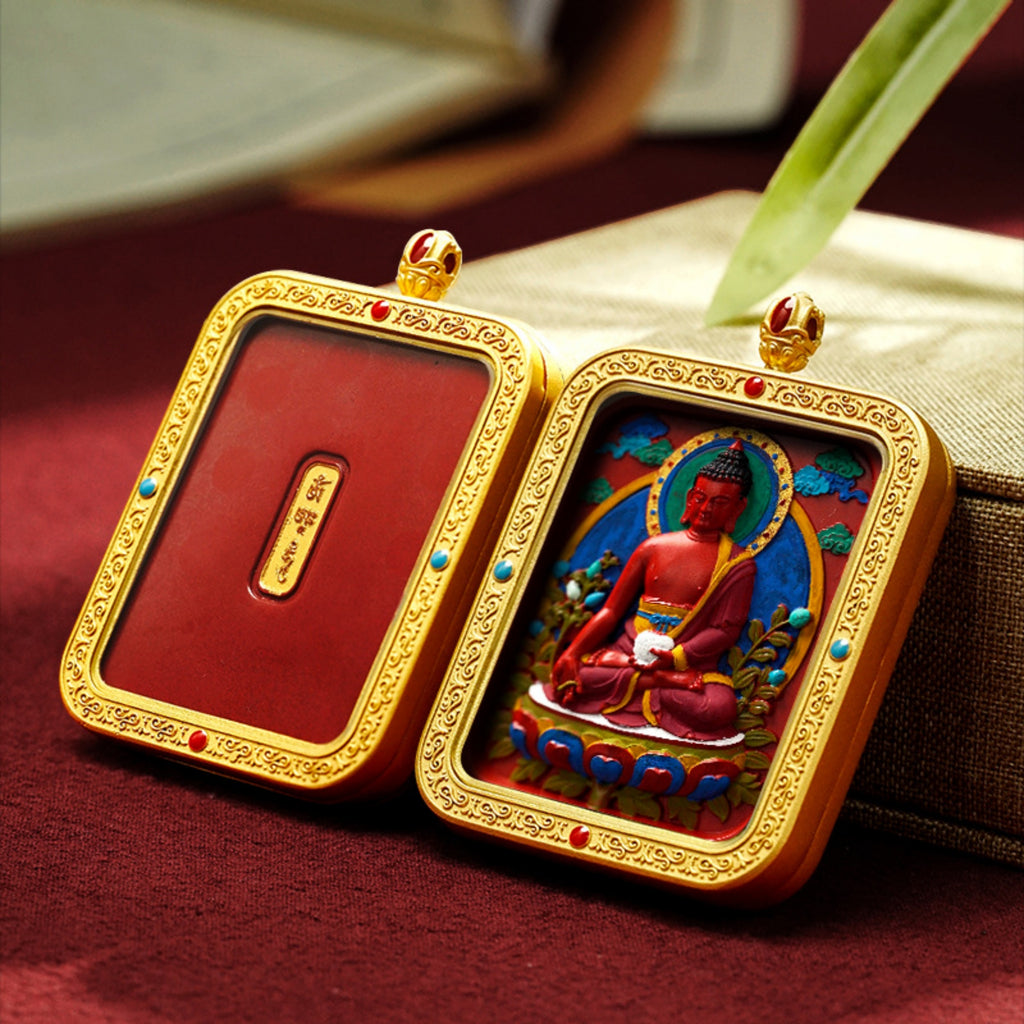
For a wearable example, the KyLin Aura Hand-Painted Thangka Gawu Box Buddhist Necklace combines miniature Thangka-inspired imagery with a portable shrine-style pendant. Choose the depicted figure for its traditional meaning, visual connection, and relevance to your own practice.
Zodiac Amulets
Zodiac amulets connect a birth-year tradition with a guardian Buddha or another symbolic figure. Different traditions may map zodiac signs and protective figures differently, so check the product description and consult a knowledgeable teacher when lineage-specific accuracy matters.
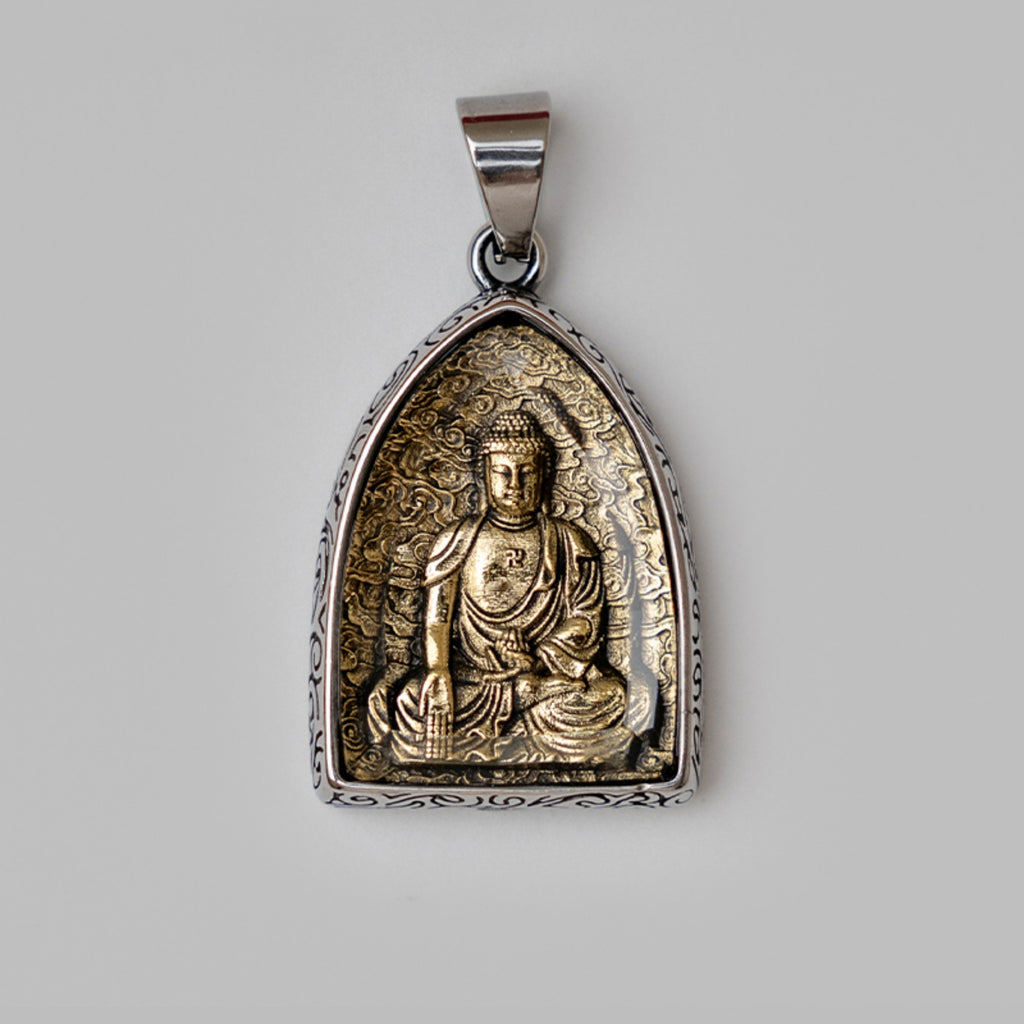
The KyLin Aura Tibetan Zodiac Protector Buddha Thangka Pendant Necklace is designed for people who value birth-year symbolism, hand-painted art, and a daily reminder of steadiness and care.
Miniature Art and Courage Lockets
Miniature art lockets turn symbolic imagery into a small wearable reminder. Sword-bearing figures can be associated with courage, clear direction, and staying focused during difficult moments; these meanings are intended for personal reflection rather than guaranteed outcomes.
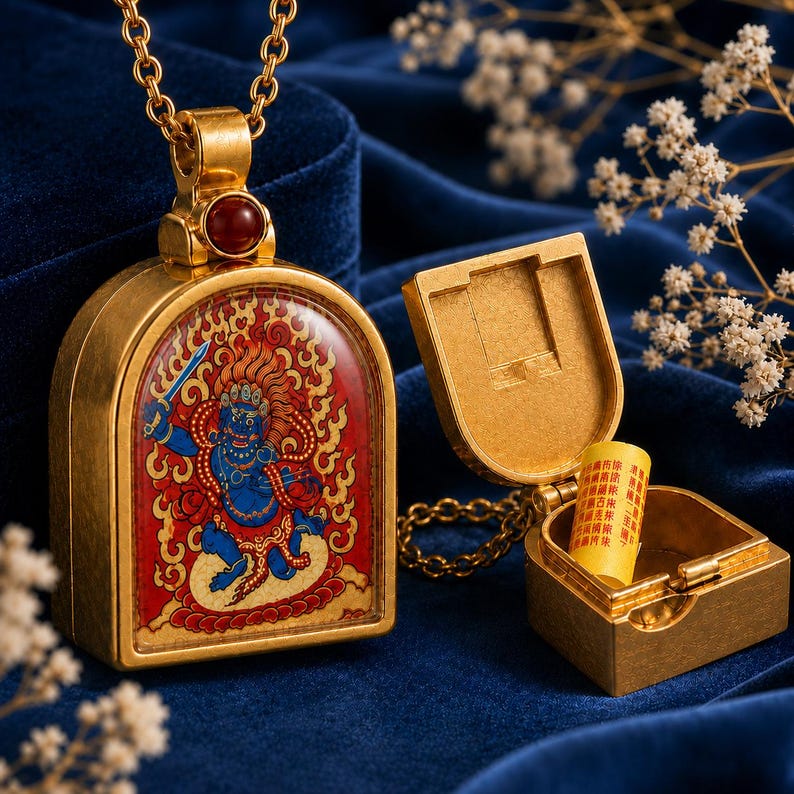
The Secret Compartment Necklace, Sword Miniature Art Locket includes an openable compartment and a sword-bearing miniature figure. Its product page also includes a video so you can view the pendant from more angles before choosing.
Natural-Material Guardian Pendants
Some people prefer a Buddha pendant made from wood or accented with turquoise because of its warmth, texture, and traditional appearance. The KyLin Aura Purple Sandalwood Guardian Buddha Pendant Necklace combines hand-carved sandalwood, turquoise accents, and guardian Buddha symbolism. Natural wood varies in grain and color, which is part of its character.
How to Choose the Right Lucky Charm
- Start with your intention. Decide whether you want a reminder of calm, courage, compassion, focus, cultural connection, or a meaningful gift.
- Learn the symbol. Read about the depicted Buddha, deity, mantra, animal, or zodiac association before wearing it.
- Check materials and size. Consider pendant dimensions, weight, chain length, metal sensitivities, and whether the piece suits daily wear.
- Respect the tradition. Avoid treating sacred imagery as a guaranteed shortcut to luck or material success.
- Choose a piece you will actually use. A meaningful charm is most helpful when it supports a real habit such as mindful breathing, reflection, or compassionate action.
How to Wear a Buddhist Pendant Respectfully
Keep the pendant clean and handle it carefully. Many practitioners prefer to wear sacred imagery above the waist and remove it before bathing, swimming, sleeping, or strenuous exercise. When not in use, store it in a clean pouch or jewelry box. Customs differ, so follow the guidance of your own tradition when applicable.
Caring for Lucky Charms and Spiritual Jewelry
- Wipe metal, sealed artwork, and stones gently with a soft dry cloth after wearing.
- Avoid perfume, lotion, cleaning chemicals, salt water, pool chlorine, and prolonged moisture.
- Do not soak hand-painted Thangka jewelry or natural sandalwood.
- Store pieces separately to reduce scratches, impact, and chain tangles.
- Check clasps, cords, and settings regularly, especially on frequently worn necklaces.
Frequently Asked Questions
Do lucky charms really bring good luck?
Beliefs vary by culture and individual. A charm can provide comfort, identity, and a reminder of an intention, but it cannot guarantee a specific outcome.
Can anyone wear a Buddha necklace?
People from many backgrounds wear Buddhist jewelry. Learn the meaning, avoid disrespectful use, and choose culturally responsible descriptions rather than making unsupported claims.
Is a Buddha pendant the same as a zodiac amulet?
Not always. A Buddha pendant may depict any Buddha or Buddhist figure. A zodiac amulet specifically connects a birth-year system with an associated guardian or symbol.
Explore the collection: Browse more designs in the KyLin Aura Tibetan Thangka Jewelry collection, including hand-painted pendants, Buddhist necklaces, and symbolic wearable art.
Conclusion
The right lucky charm is one whose symbolism you understand and whose presence supports a constructive daily intention. Buddhist necklaces, Buddha pendants, zodiac amulets, and Tibetan Thangka jewelry each offer distinct cultural stories and design traditions. Choose carefully, wear respectfully, and care for the piece so it can remain a meaningful companion over time.