


From Sacred Symbols to Everyday Rituals: The Story of Buddhist Jewelry
Buddhist jewelry has never been only about decoration. For centuries, beads, pendants, amulets, and sacred symbols have been worn close to the body as reminders of protection, compassion, wisdom, and inner peace.
Today, these pieces appear in many forms: mala bracelets, mantra rings, thangka pendants, lotus necklaces, and protective amulets. Their styles may have changed, but their deeper purpose remains the same: to help the wearer carry intention into daily life.
Ancient Origins: Jewelry as a Spiritual Tool
The earliest forms of Buddhist jewelry were closely connected to practice. Mala beads were used to count mantras during meditation. Amulets were carried for protection and blessing. Sacred symbols such as the lotus, vajra, dharma wheel, and endless knot reminded practitioners of Buddhist teachings.
These objects were not created as fashion accessories. They were tools of focus, devotion, and spiritual discipline. A mala helped the hand keep rhythm with the breath. A pendant could hold an image of a deity or a mantra. A small amulet could serve as a quiet source of courage during uncertain moments.
Materials With Meaning
Traditional Buddhist jewelry often used natural materials such as wood, seeds, bone, stone, silver, and copper. Each material carried its own feeling and symbolic meaning. 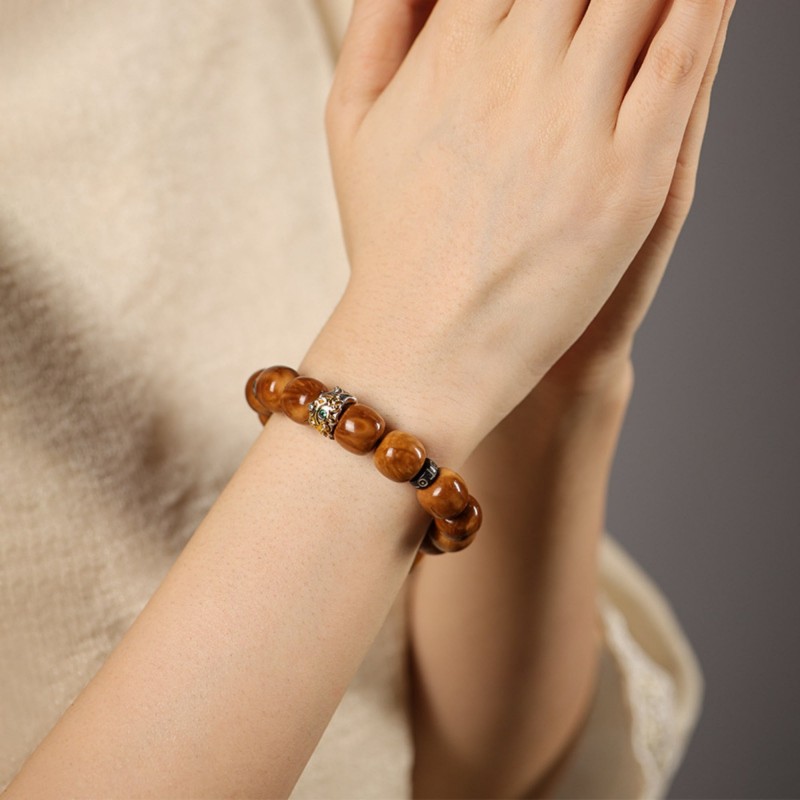
Bodhi seeds were connected with awakening. Sandalwood was valued for its calming fragrance. Turquoise and coral became especially meaningful in Tibetan culture, often associated with protection, vitality, and good fortune. Silver was widely used in Himalayan jewelry, both for its beauty and its connection to traditional craftsmanship.
Over time, artisans began combining sacred imagery with skilled metalwork, carved beads, gemstones, and miniature devotional art. This is where jewelry became both spiritual object and cultural expression.
Tibetan Thangka Jewelry: A Wearable Blessing
One of the most distinctive forms of Buddhist jewelry is thangka-inspired jewelry. Traditional thangka paintings are sacred Buddhist artworks, often depicting Buddhas, Bodhisattvas, protectors, and mandalas. When this art is miniaturized into pendants or amulet boxes, it becomes something intimate and wearable.
A thangka pendant can be worn as a daily reminder of a personal intention:
- Medicine Buddha for healing and wellness
- Green Tara for compassion and swift protection
- Yellow Jambhala for abundance and removal of scarcity
- Manjushri for wisdom and clear thinking
- Avalokiteshvara for mercy and compassion
For many wearers, the meaning matters as much as the object itself.
From Monasteries to Modern Life
As Buddhist ideas traveled across regions and cultures, Buddhist jewelry gradually moved beyond temples and ritual spaces. People began wearing malas, pendants, and rings not only during formal practice, but also in daily life.
Modern spiritual jewelry often serves three roles:
- A reminder to pause and return to the present moment
- A personal symbol of protection or blessing
- A meaningful gift for someone going through change, healing, or growth
This is why Buddhist jewelry continues to resonate today. It gives form to something inward: faith, hope, calm, courage, or compassion.
Why People Wear Buddhist Jewelry Today
Modern wearers may come from different backgrounds. Some are Buddhist practitioners. Some are interested in meditation or mindfulness. Others are drawn to the beauty of Tibetan art, sacred symbols, and handmade craft.
Common reasons include:
- Protection during travel or daily life
- Support during healing or recovery
- A reminder of compassion and patience
- A symbol of wisdom, courage, or clarity
- A meaningful gift for loved ones
- A connection to Himalayan spiritual culture
The best piece is not always the most ornate one. It is the one whose meaning feels personal. 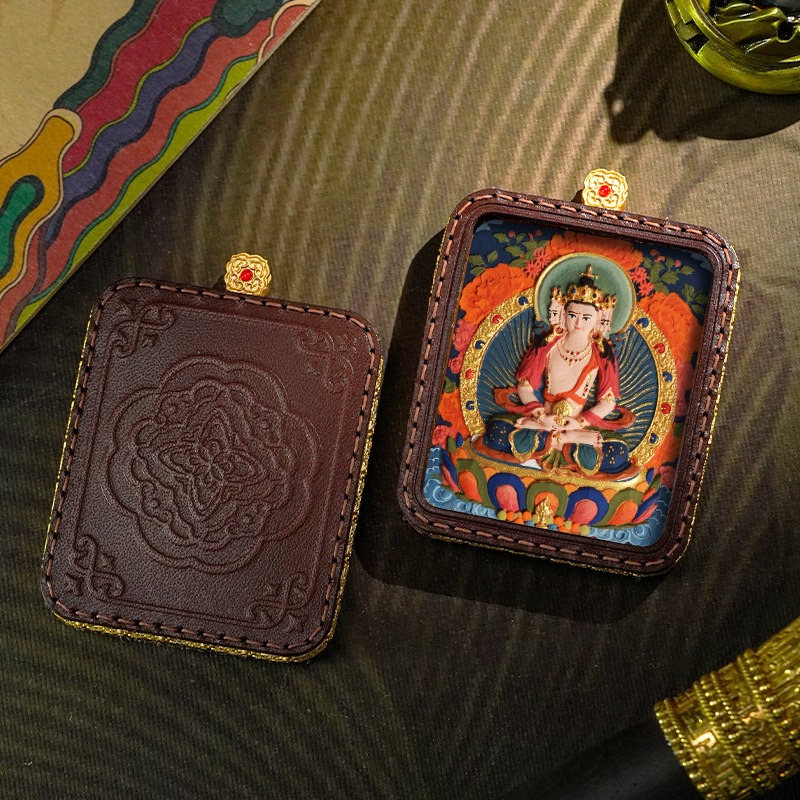
Choosing a Piece With Intention
When choosing Buddhist jewelry, start with the intention behind it.
For healing, choose Medicine Buddha or Amitayus.
For compassion, choose Green Tara or Avalokiteshvara.
For wisdom, choose Manjushri or Vairocana.
For prosperity, choose Yellow Jambhala or Zakiram.
For protection, choose a gawu box, mantra pendant, or guardian deity design.
A thoughtfully chosen piece can become more than jewelry. It can become a small ritual: something you touch before a difficult meeting, wear during meditation, or gift to someone who needs strength.
A Living Tradition
Buddhist jewelry continues to evolve because spiritual life itself is alive. Ancient symbols are still meaningful, but they now appear in forms that fit modern routines: adjustable bracelets, small pendants, everyday necklaces, and hand-painted wearable art.
At Kylin Aura, we see these pieces as bridges between tradition and daily life. Each pendant, bracelet, or mala carries a quiet invitation: slow down, remember your intention, and move through the world with more awareness.
Buddhist jewelry is not only something you wear. It is something you carry.